




Fire bowls, fire pits, fire tables, fire statues, and outdoor fireplaces all create fire — but they behave very differently in real outdoor environments.
This collection focuses on fire features designed around heat output, flame behavior, wind resistance, material durability, and installation context, not just appearance. Factors like burner design, fuel type, mass, and enclosure determine how warm a fire feature feels, how it performs in changing weather, and how well it holds up over years of use.
Fire Goddess curates fire features for homeowners and designers who care about both function and form. Whether you’re adding warmth to a seating area, anchoring a landscape design, or building a permanent outdoor structure, this collection helps you understand the differences so you can choose with clarity and confidence.
Understanding the Differences Between Fire Features
Fire Bowls
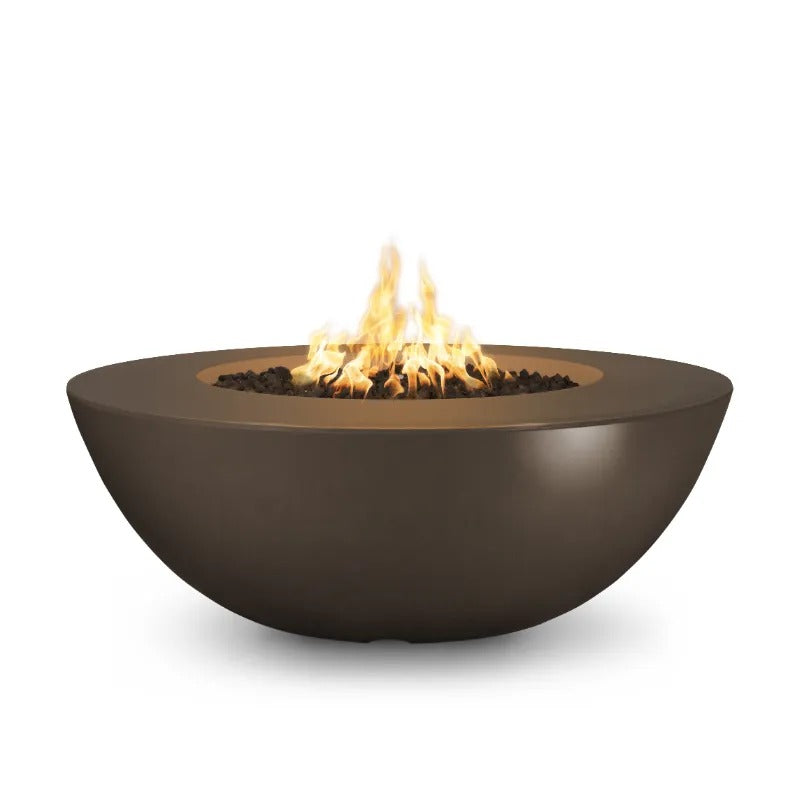
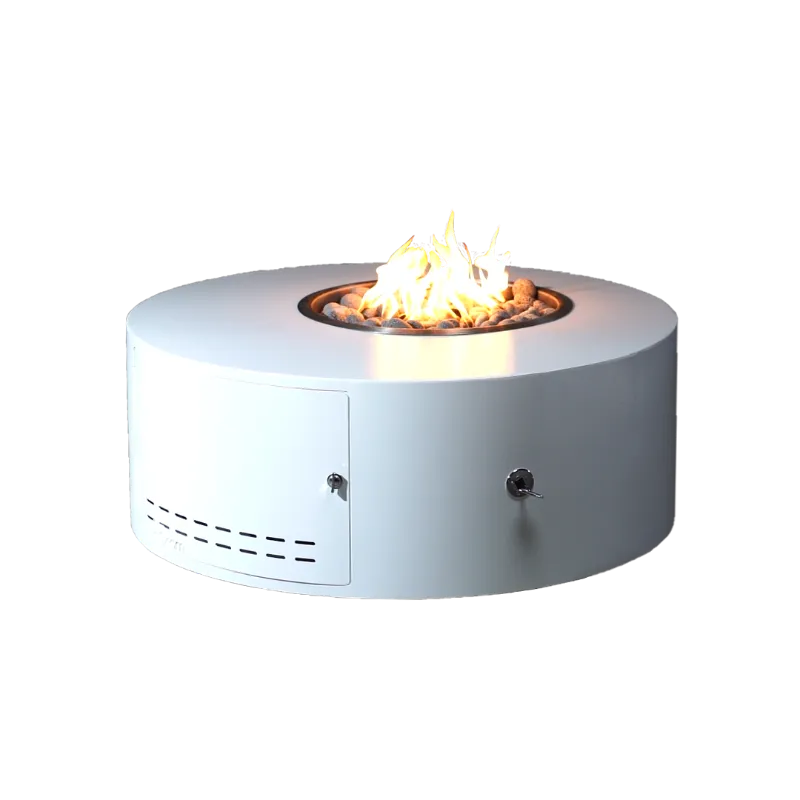
Fire bowls produce a taller, more concentrated flame that radiates heat outward and upward. Their open design allows for substantial visual impact and good heat perception, especially when paired with sufficient burner output and mass. Fire bowls are often used as focal points in seating areas and modern outdoor spaces.
Fire Pits
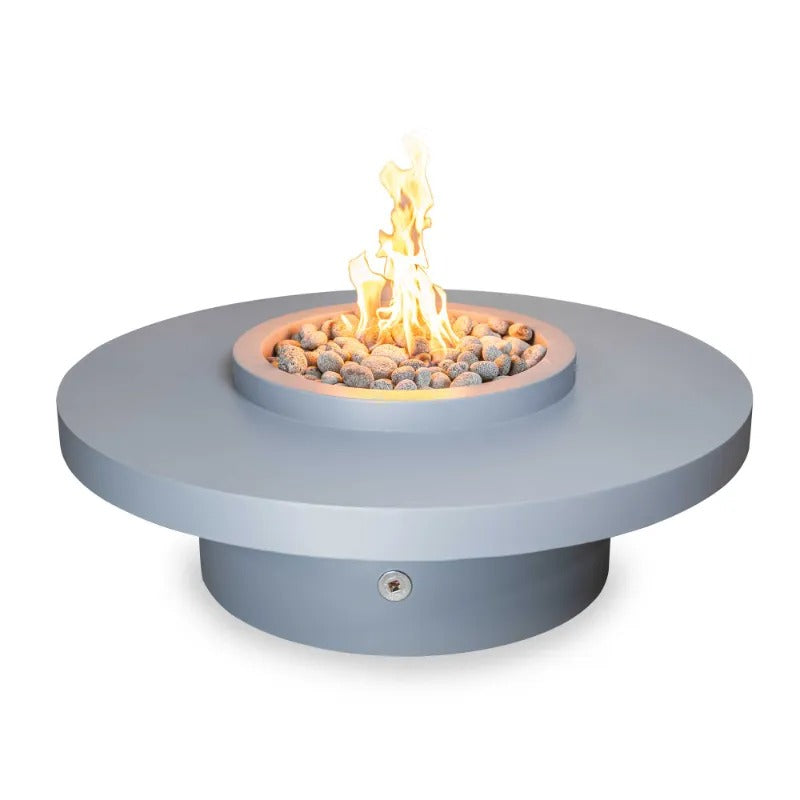
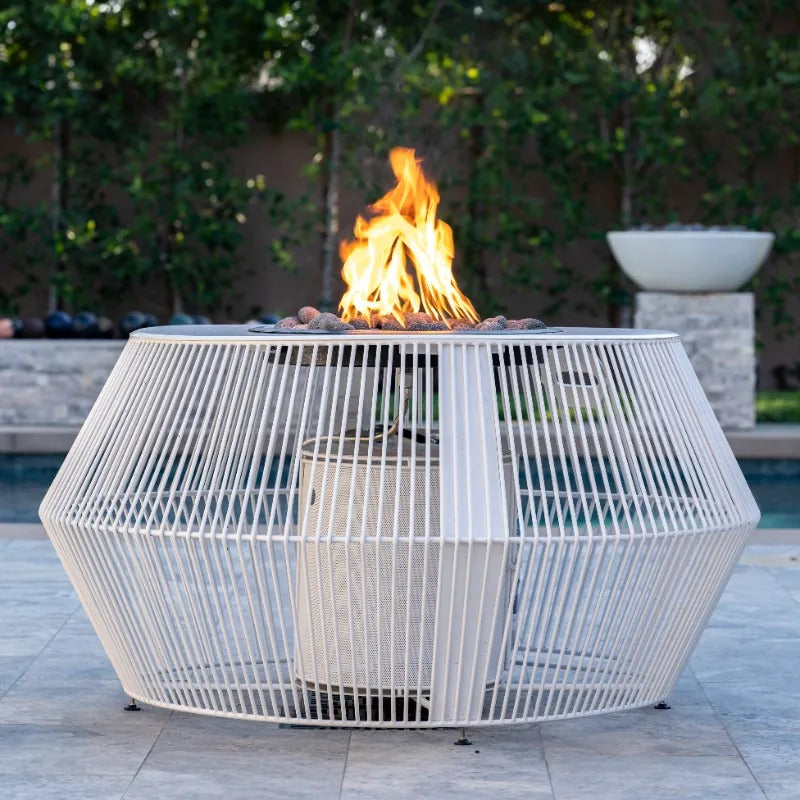
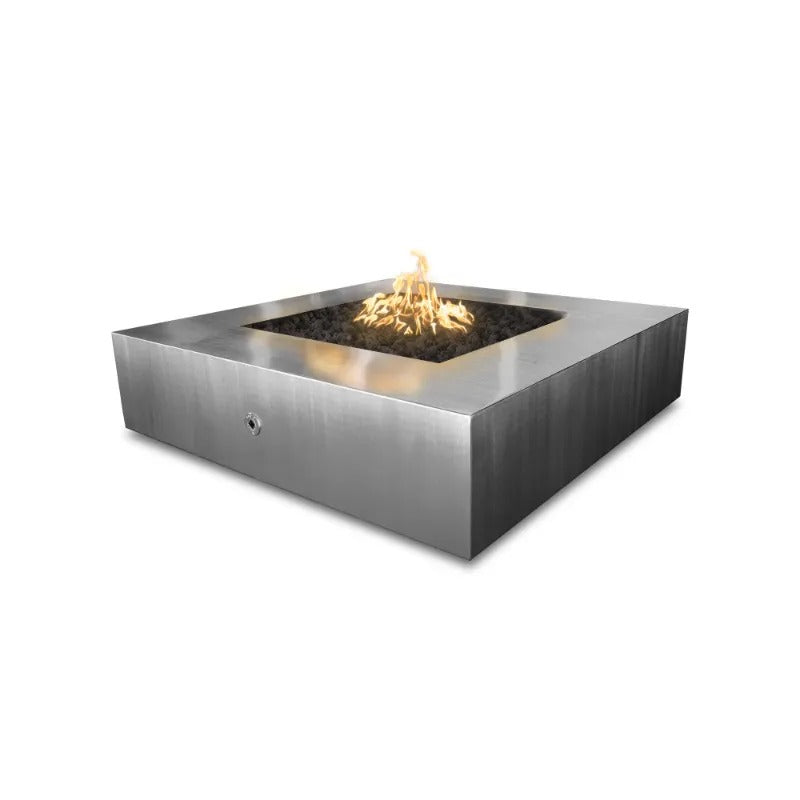
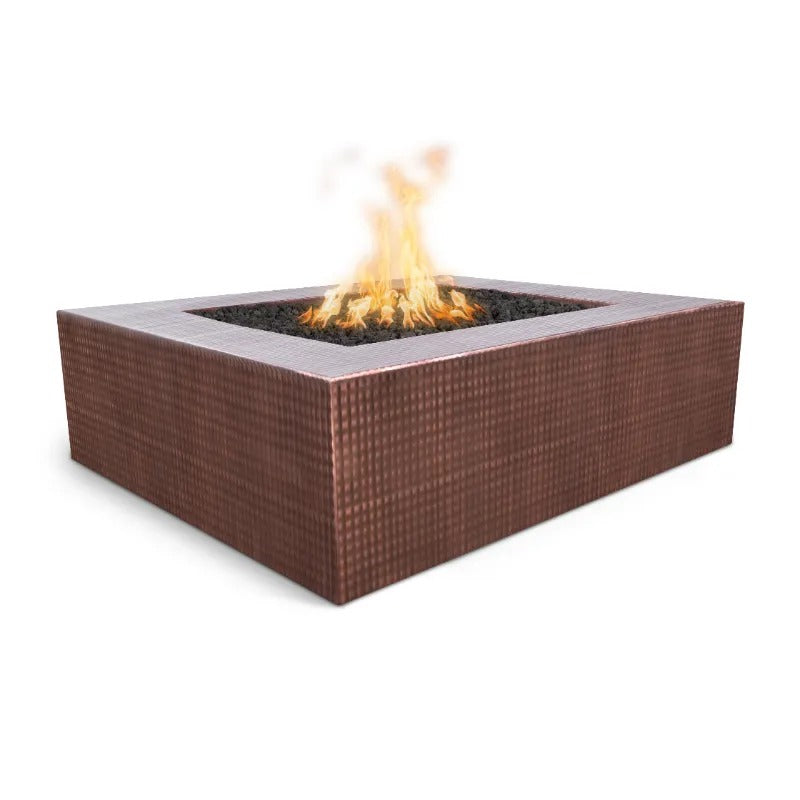
Fire pits typically feature a lower flame profile and wider burn area, creating more even heat distribution around the perimeter. They work well for group seating and longer burn times, especially in wood-burning or high-BTU gas configurations. Fire pits emphasize shared warmth and social gathering.
Fire Tables
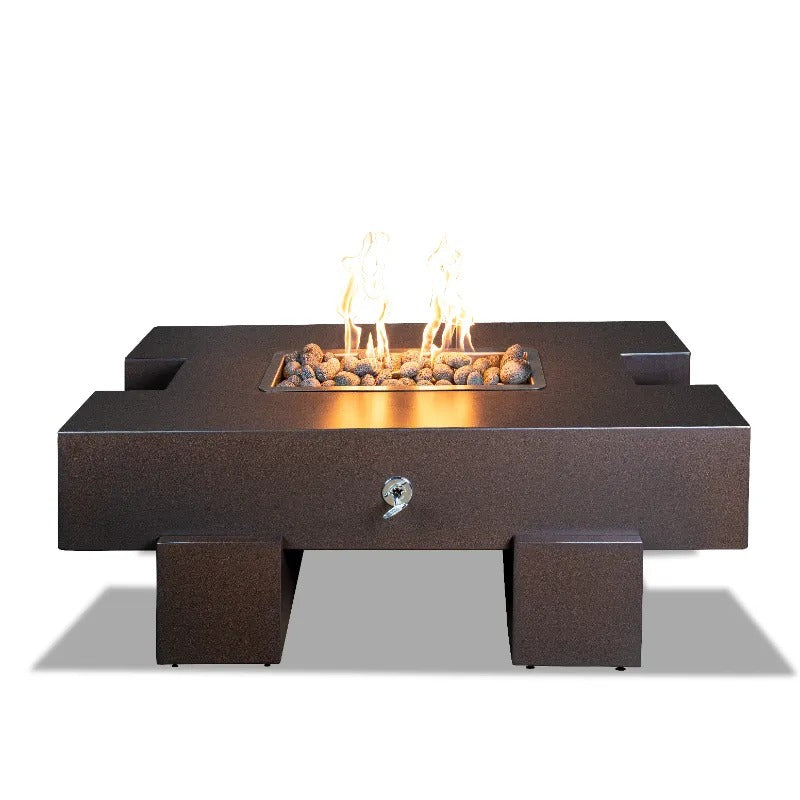
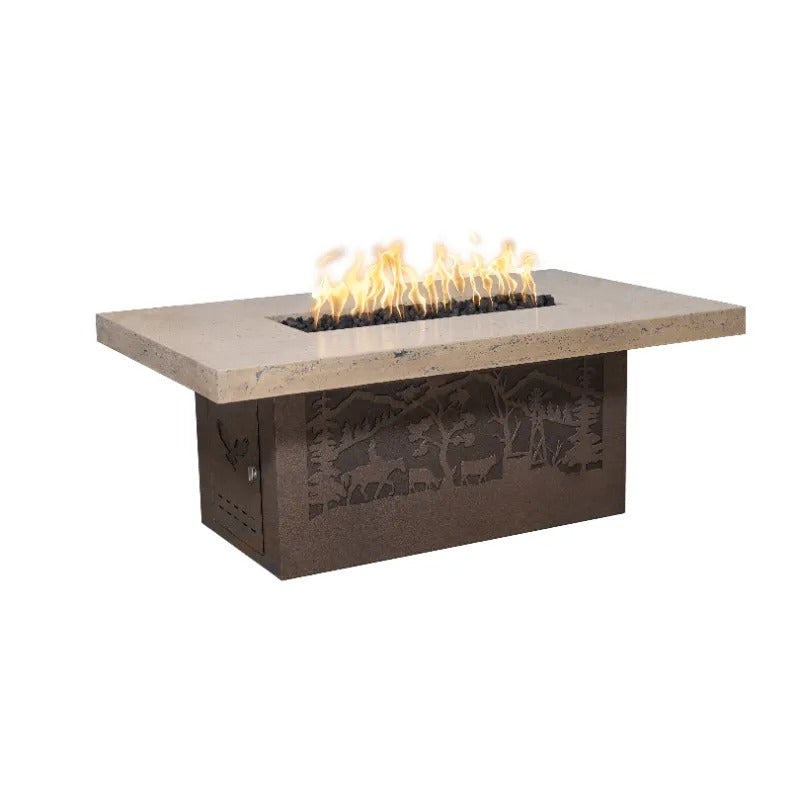
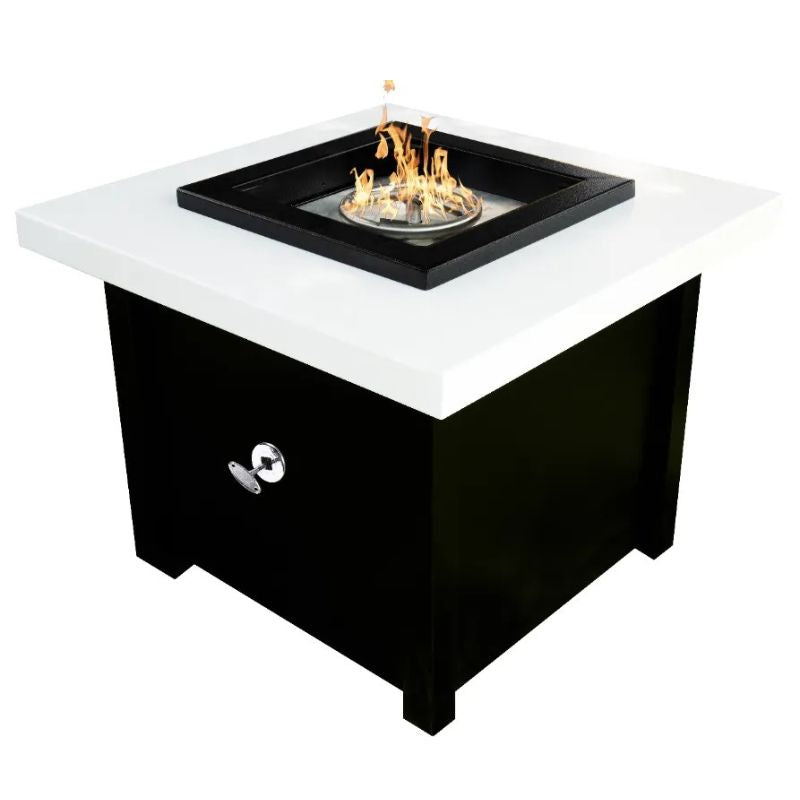
Fire tables prioritize surface utility and ambiance over maximum heat. Because the flame is recessed and surrounded by a tabletop, heat output is more subtle and directional. Fire tables are ideal for dining and lounge settings where atmosphere matters more than radiant warmth.
Fire Statues
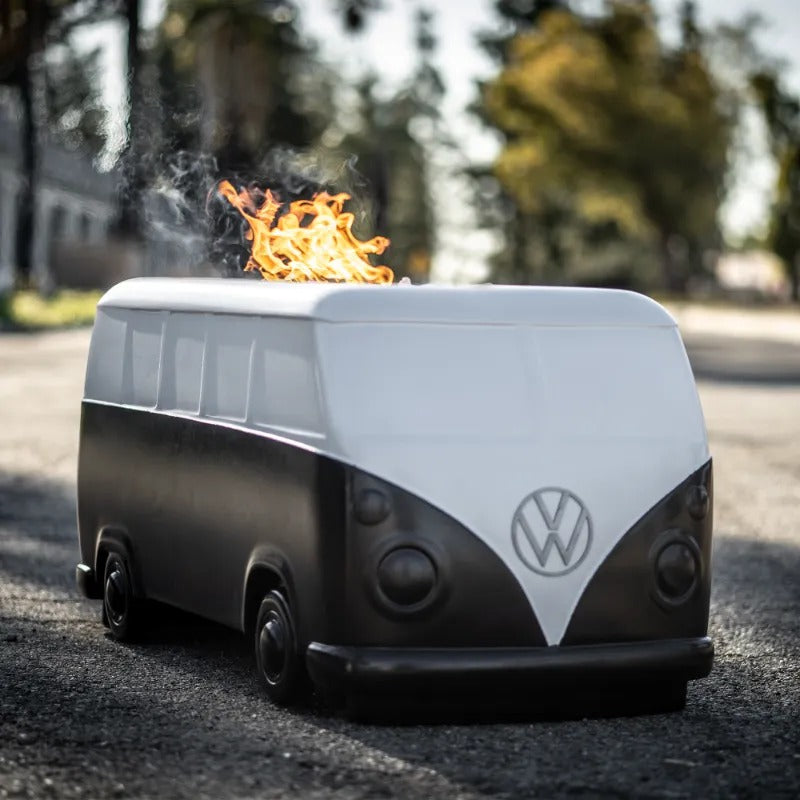
Fire statues combine sculptural design with controlled flame presentation. Heat output varies by design, but these features are often used as architectural accents rather than primary heat sources. Fire statues are best suited for visual impact, entryways, and statement installations.
Outdoor Fireplaces
Outdoor fireplaces provide the most directional, contained heat, projecting warmth forward while shielding flames from the wind. Their structure allows taller chimneys, deeper fireboxes, and a more substantial thermal presence. Fireplaces are often permanent installations used to define outdoor rooms and extend seasonal use.











Blog posts
View all

