

Barbecue Grills
Barbecue grills vary widely in how they cook, how evenly they distribute heat, and how well they hold up over time — regardless of fuel type.
This collection focuses on gas, charcoal, and hybrid grills selected for heat control, burner or firebox design, material quality, and long-term durability, not inflated BTU numbers or cosmetic features. Real cooking performance depends on how heat is generated, managed, and transferred to the cooking surface — especially during high-heat searing and longer cooks.
Fire Goddess curates barbecue grills for homeowners who care about consistent results, predictable heat, and equipment built for repeated use. Whether you’re grilling weeknight meals or cooking for groups, this collection helps you compare grills based on how they actually perform outdoors, not how they’re marketed.
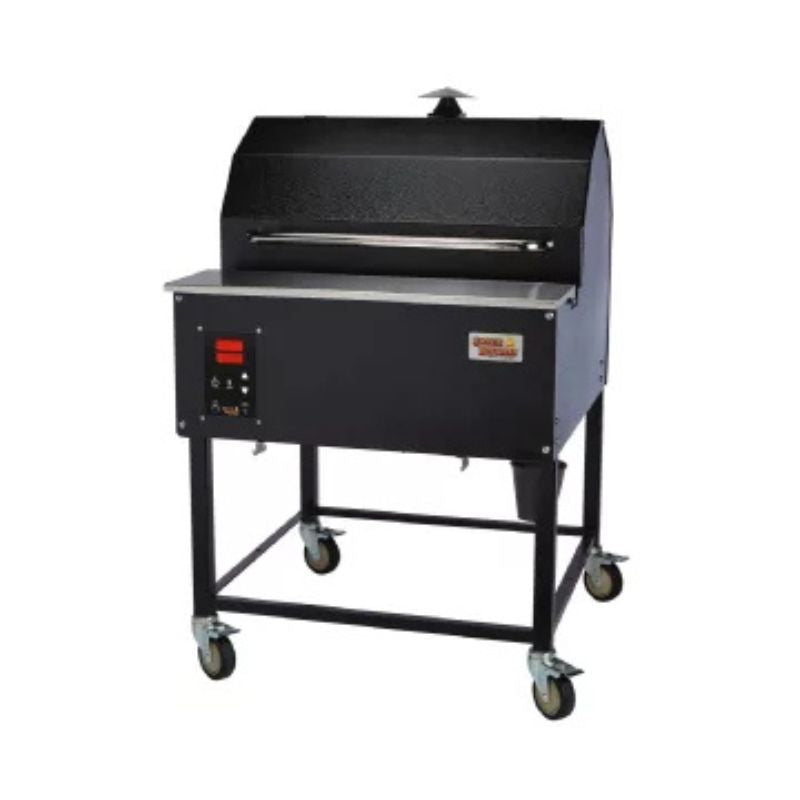
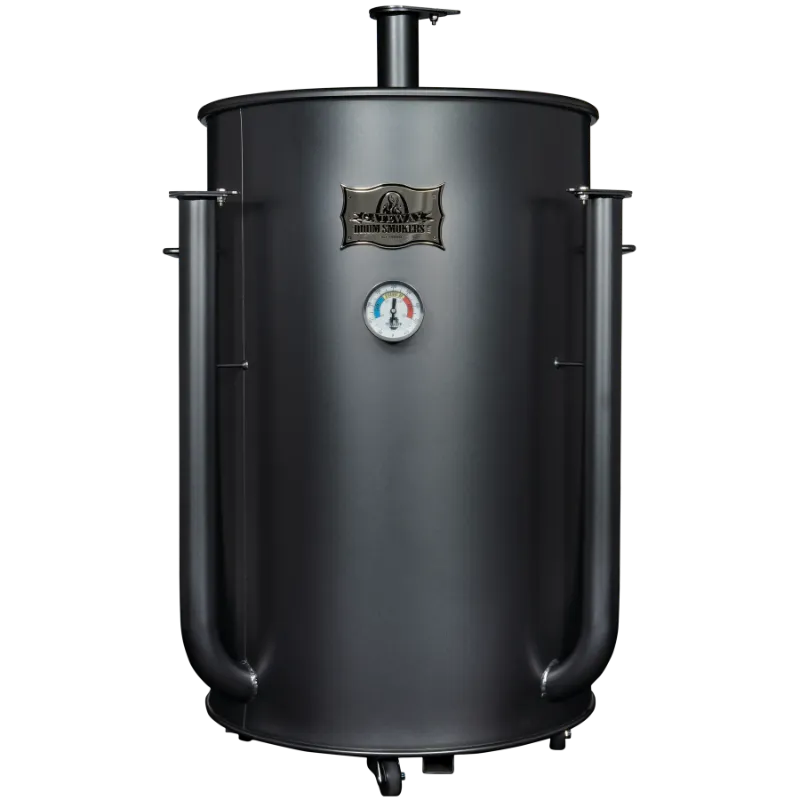
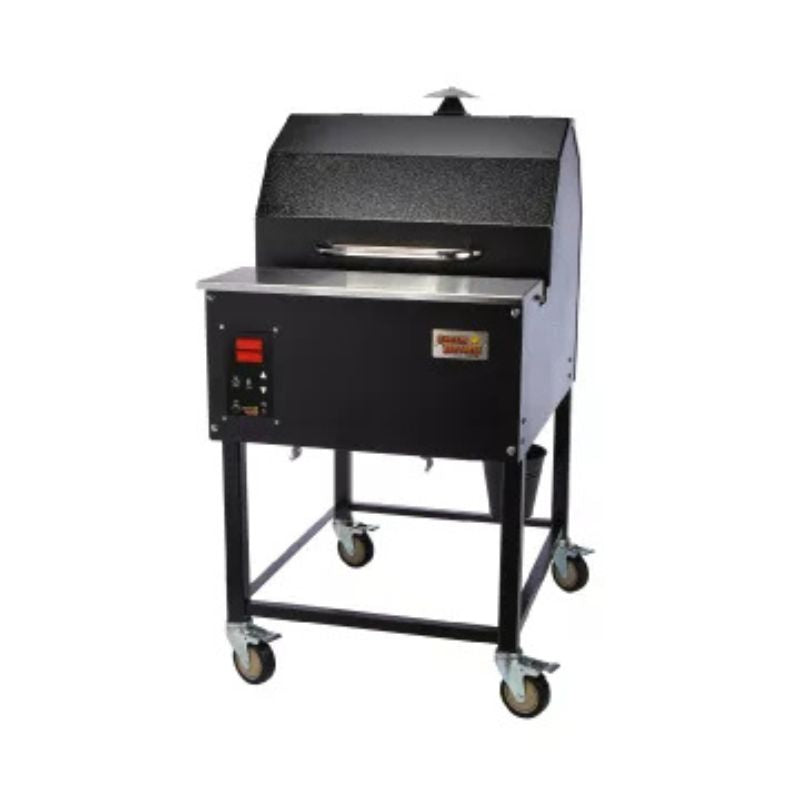
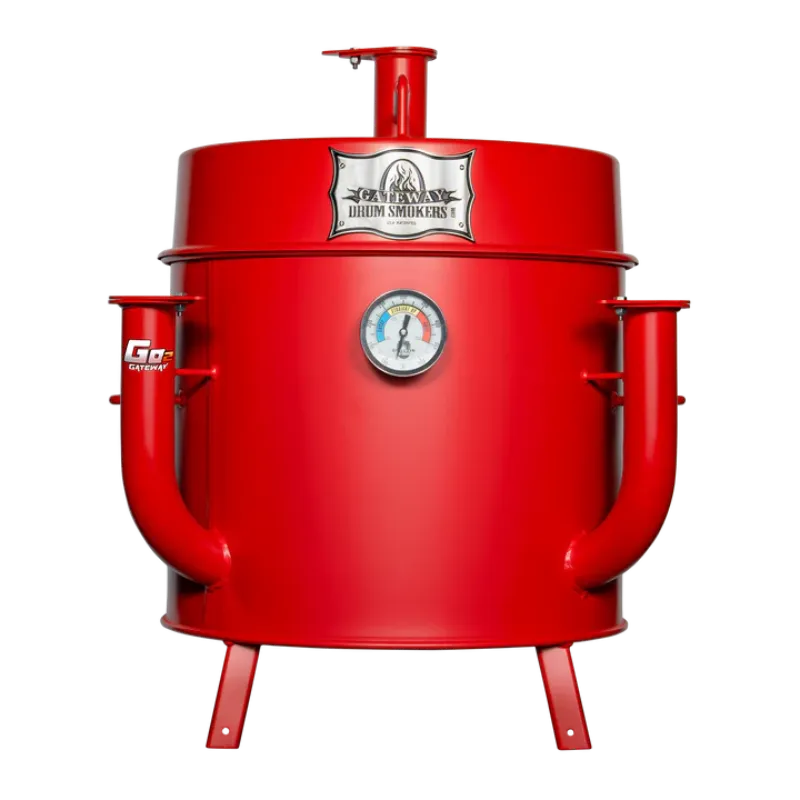

Blog posts
View all


Understanding Different Types of Barbecue Grills
Gas Grills
Gas grills offer fast startup, precise control, and convenience. Performance depends heavily on burner design, heat distribution, and materials above the burners. Well-designed gas grills provide consistent temperatures and reliable searing without relying on excessive BTU ratings.
Charcoal Grills
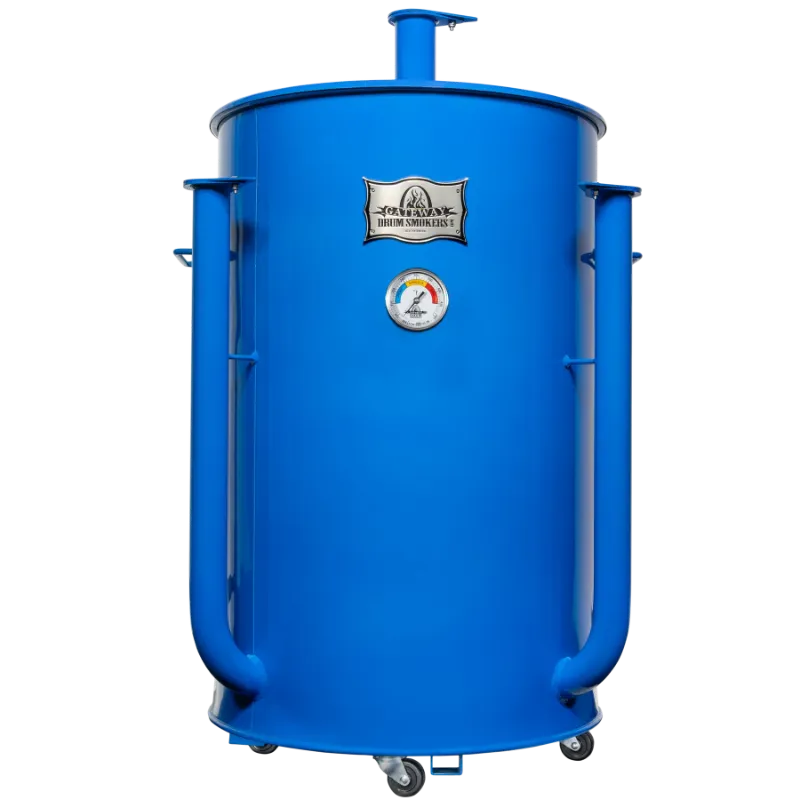
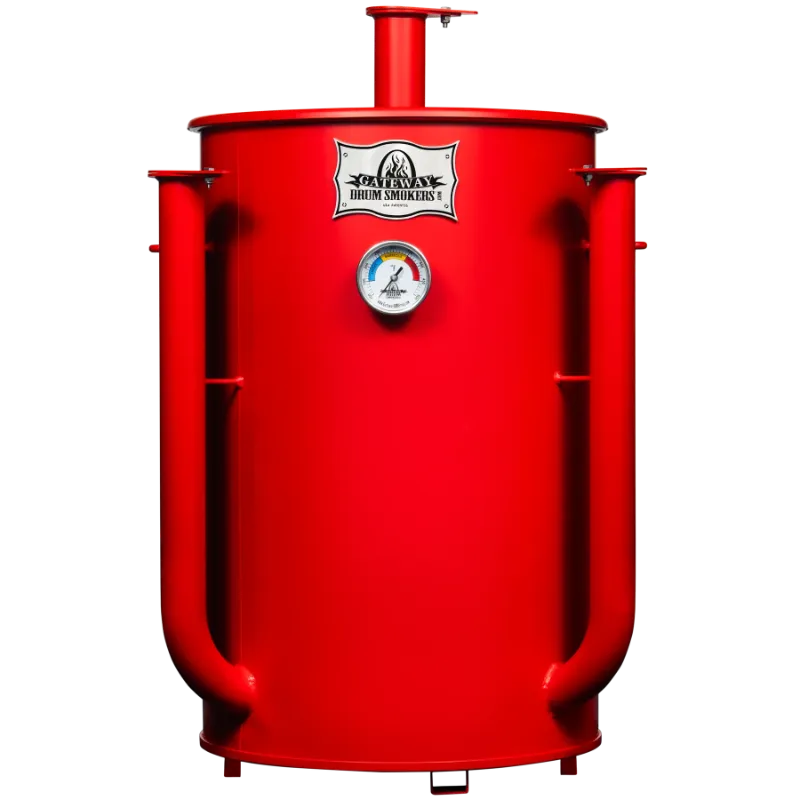
Charcoal grills produce strong radiant heat and distinctive flavor, with performance tied to airflow control, firebox design, and construction mass. Proper airflow and materials are what separate stable, controllable charcoal grills from ones that run hot and erratic.
Hybrid & Specialty Grills
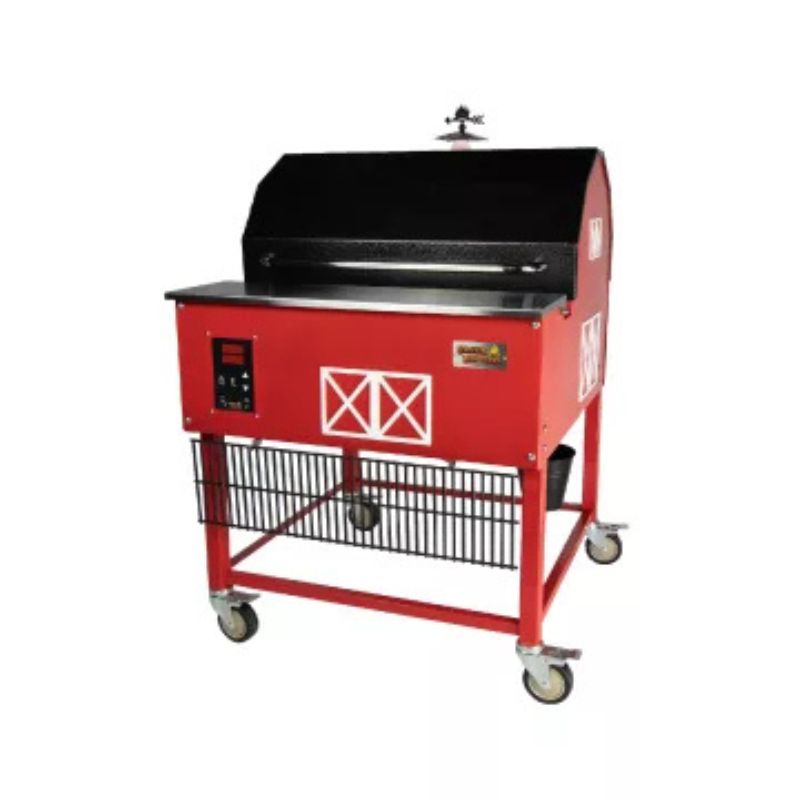
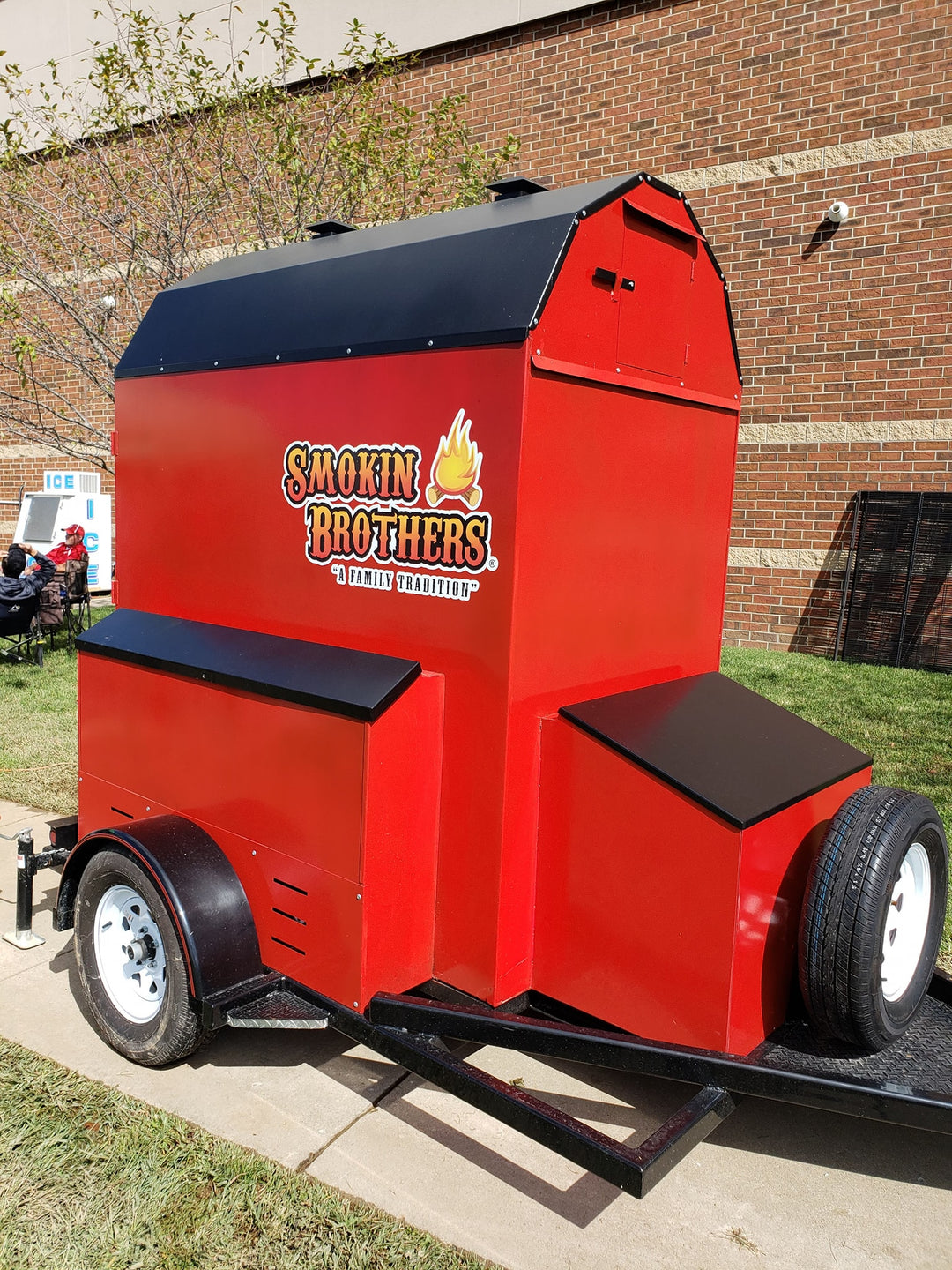
Hybrid and specialty grills combine multiple fuel or cooking methods to offer greater flexibility. Their effectiveness depends on how well each system is integrated, rather than how many features are included. Design quality matters more than complexity.
Choosing the Right Barbecue Grill
The right grill depends on:
How much control vs convenience you want
Typical cooking temperatures and volume
Material durability for your climate
How often and how hard the grill will be used
Fire Goddess focuses on grills that perform consistently, age well, and support real cooking — not just impressive spec sheets.